Non-Food / Dry Cargo
Customs clearance for non-food and dry cargo
Do you import or export machinery, parts, raw materials, packaging or other non-food goods? Factors such as the commodity code, origin, customs value and documentation determine how your shipment must be declared and which import duties or additional requirements apply. By checking this properly in advance, you reduce the risk of corrections, unexpected costs and delays in the release of your goods.
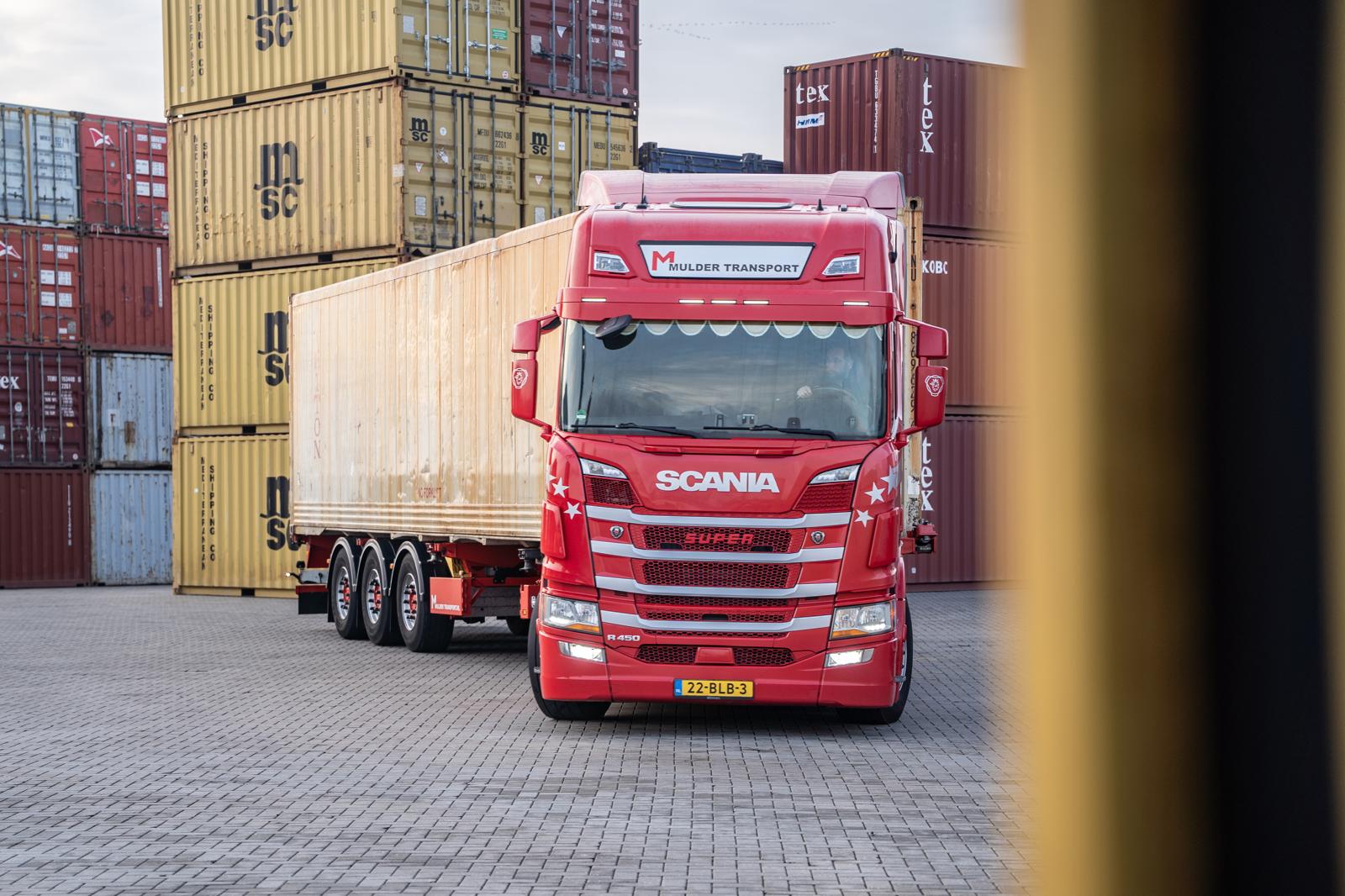

With non-food goods, the risk often lies in the fundamentals of the declaration
A product is classified based on a general description or a code provided by the supplier, while its material, composition, function or intended use may result in a different classification.
Using the wrong code can result in an incorrect rate of import duty or additional requirements and trade measures being overlooked. This may later lead to questions, corrections or an additional assessment.
The country from which a product is shipped is considered to be the country of origin. Or a preferential tariff is applied without the correct proof of origin being available.
A preferential import tariff may be rejected and import duties may still become payable. Additional supporting documentation or a correction to the declaration may also be required.
The invoice, packing list and transport document use different product descriptions, quantities, weights, values or references. As a result, it is not immediately clear whether all documents relate to exactly the same goods.
This may lead to additional questions or require data to be corrected before processing can continue. This takes time and can delay the release of the goods and the subsequent planning.
The invoice value is used directly as the customs value, while depending on the terms of trade, certain costs may need to be included or treated differently. This may include transport and insurance costs.
Import duties are then calculated on the wrong basis. This can lead to an overpayment or to corrections and additional charges afterwards.
No inspection does not mean the customs declaration is correct
For non-food and dry cargo, you usually do not need a veterinary or phytosanitary inspection. This can make customs clearance seem more straightforward. But with regular imports and exports, much of the risk lies in the data on which the declaration is based.
A product description such as ‘part’, ‘machine part’ or ‘plastic product’ is, for example, not always sufficient to determine the correct commodity code. Material, function, technical characteristics and intended use can affect the classification. That code then partly determines which import duties and any additional measures apply to the import.
Origin also requires attention. The country from which goods are shipped is not automatically the customs origin. If you want to make use of a reduced or zero rate based on preferential origin, the goods must meet the relevant conditions and the correct proof must be available.
We also check whether the invoice, packing list and transport details tell the same story. Value, currency, quantities, weights, product descriptions and terms of delivery must logically correspond with the goods actually being declared.
By getting these fundamentals right before the declaration is submitted, you know sooner which import duties and documents to expect and reduce the risk of discrepancies only coming to light during or after customs clearance.
We get the fundamentals right before submitting your declaration
With regular imports and exports, much of the work takes place before the actual declaration. That is why we first check the product, the trade route and the available documentation. This gives you clarity at an earlier stage about the correct declaration, import duties and any information that is still missing.
We map out your product and trade route
We look at what you are importing or exporting, where the goods come from, what their value is and where they are going. For technical products, we also look at the material, function and intended use. This gives us enough information to structure the customs treatment correctly.
We assess the commodity code and related requirements
We assess which commodity code applies to the product and which import duties or additional measures may be linked to it. This reduces the risk of an incorrect classification leading to corrections or unexpected costs later on.
We check origin, value and documents
We compare the invoice, packing list and transport details and check, among other things, origin, value, currency, quantities and terms of delivery. If there is proof of origin that may qualify for a preferential tariff, we check whether it matches the intended use.
We prepare the correct customs declaration
Once the fundamentals are correct, we process the data in the import or export declaration and submit it. This means the declaration is based on verified information rather than on details that still need to be clarified during processing.
We monitor the process and take action where needed
If additional questions arise or customs requests further information, we handle this and coordinate with the parties involved. This gives you a single point of contact and keeps it clear what is needed before the goods can move forward.
What our customers say
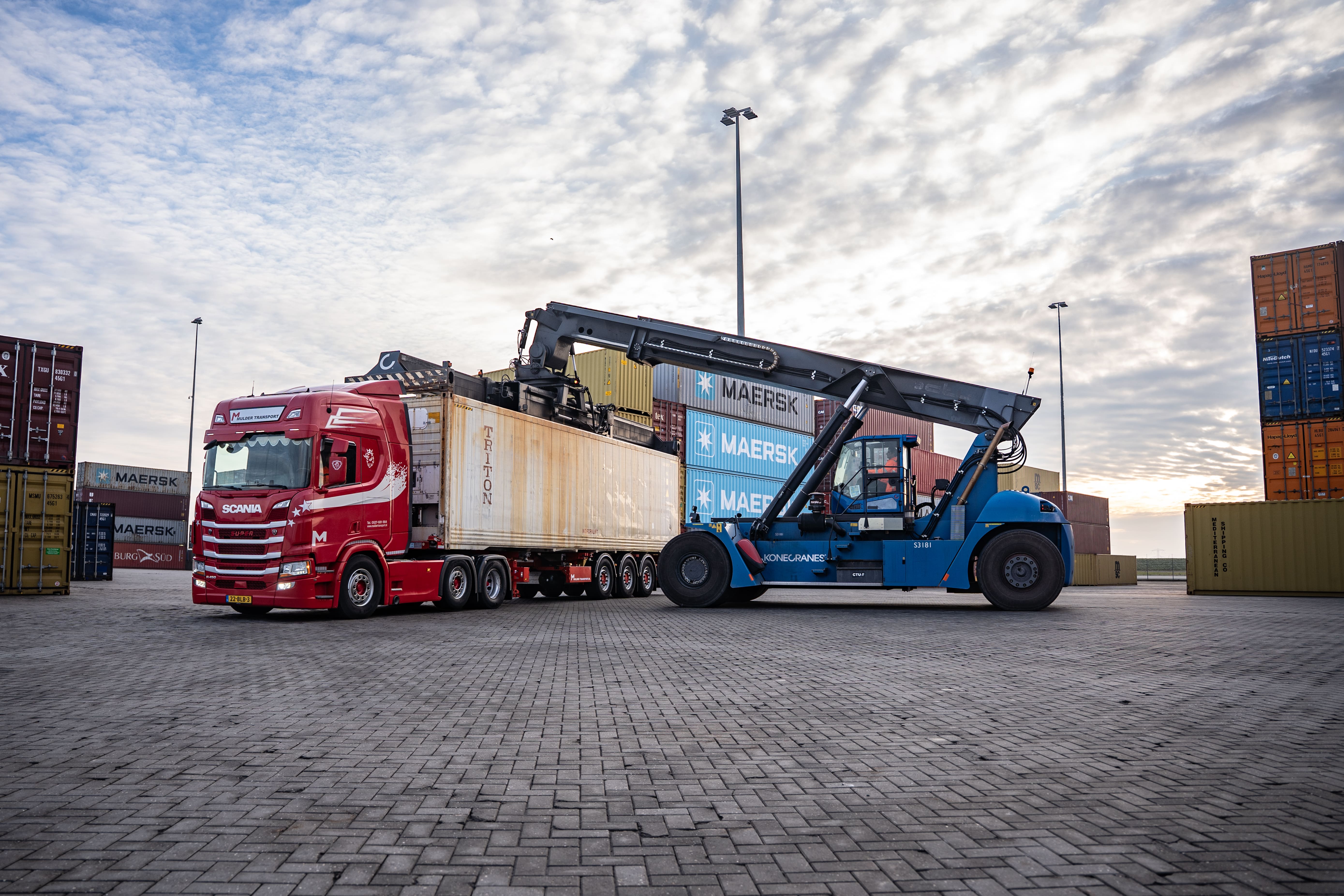

"The personal contact, short lines of communication and involved way of thinking along with us make Flevo Trade Service a reliable and pleasant partner for us, especially when it comes to transport to the United Kingdom."
Bert Hoekman
Brouwer

Everything arranged for an error-free flow


Clarity about your import or export in advance
Have your flow of goods assessed before the declaration is submitted